

A friend of mine who is very interested in the effects of AI on jobs, especially for young people, sent me a message pointing to a new post on LinkedIn. The post was to a new Australian Government initiative:
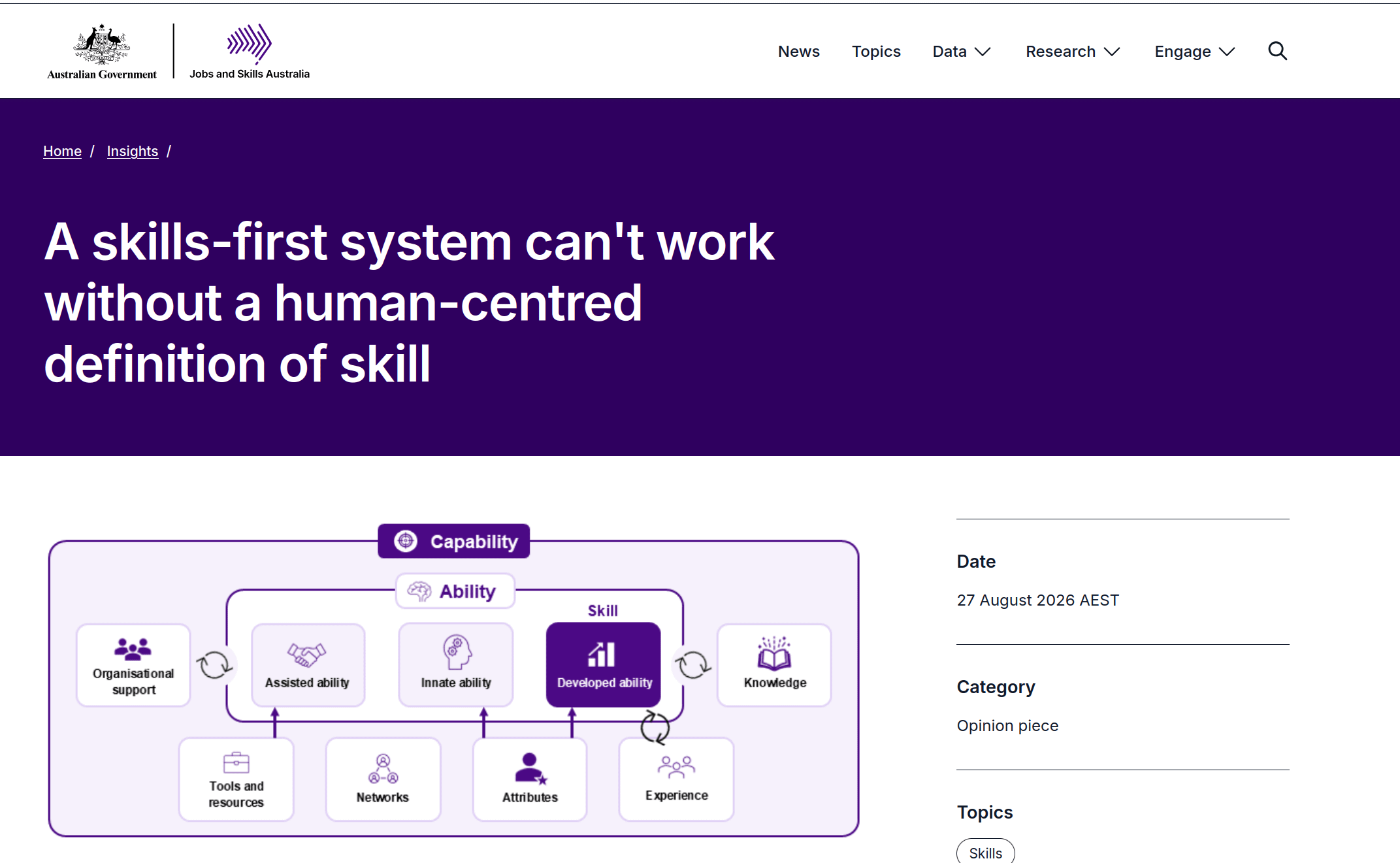
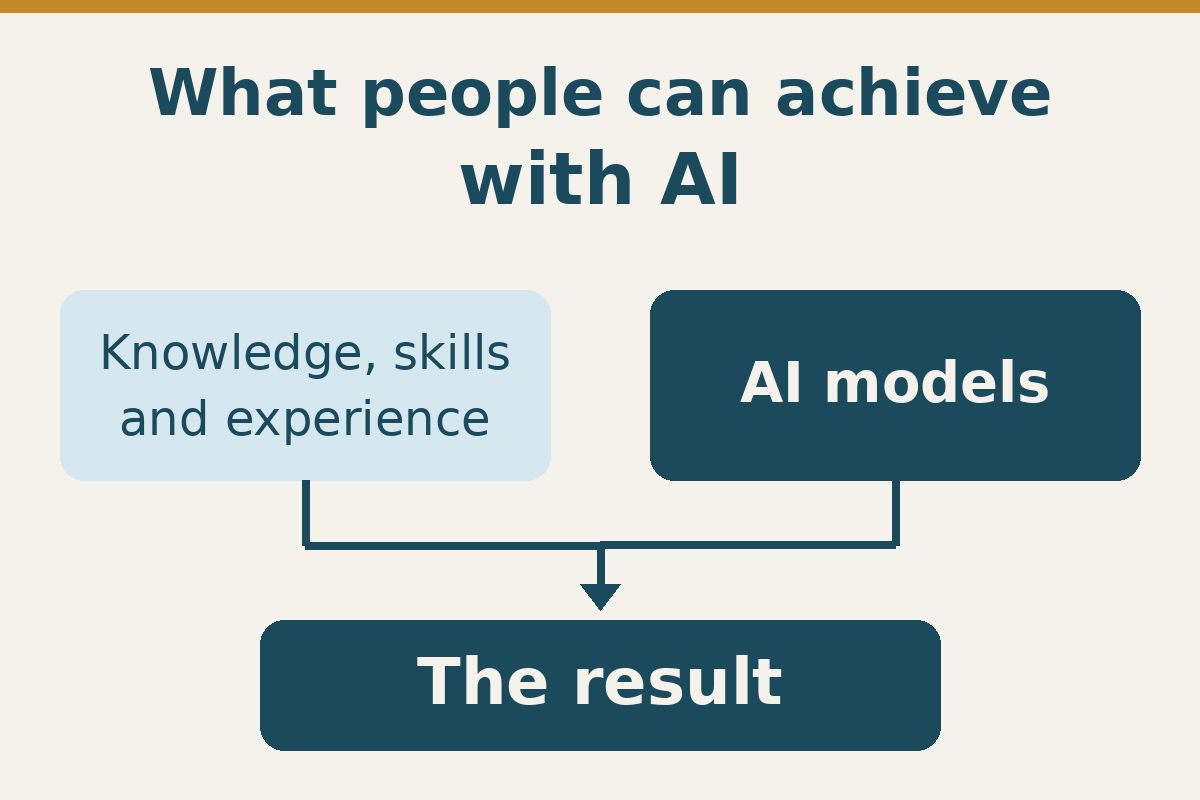
I think the separation between human and AI skills is meaningless as a foundation for understanding work now. My starting proposition is that most human work can be assisted and empowered by AI models, and a skills system needs to recognise the capability that creates.
My immediate reaction was to ask both ChatGPT and Claude to review the ‘insight’. Both the AIs identified the same problem I had, but ChatGPT said it best:
The definition may be too human-exclusive for an AI-enabled workforce. In many jobs, capability is already becoming human + AI: software developers working with coding agents, radiologists using AI-assisted image analysis, and analysts using AI to research, model and draft at much greater speed. A future skills system needs to measure what people can achieve with AI, not just what they can do unaided.
Are the people writing these policy documents using the latest versions of AI models?
I really wonder if people who think that human skills can be considered separately from human AI assisted skills are using the latest models - like ChatGPT 6.0 or even Claude Opus 5.0. I know that you need paid subscriptions to access the most recent models from OpenAI and Anthropic which is hardly a barrier for a national policy agency. So I have to ask: have the people developing this policy used the latest models? If not, they have no real sense of what these models can do, and human-exclusive skill looks like a reasonable starting point. It isn't.
I feel strongly that this type of thinking from people developing government policy is both wrong and, just as importantly will become more and more out of date as the capabilities of AI models keep improving. What we should be focusing on is what are the new skills and capabilities that AI models provide us and any list of these skills and capabilities needs to be updated after each major new model release.
This is another example of a fork in the road. The old paradigm of careful policy development outlined by Jobs and Skills Australia is just not relevant to the new future we have entered where AI models can allow anyone who is prepared to invest some time in using them to do things that they were never capable of doing before.
A common skills language will only work if it is trusted by the people and institutions that use it. That requires careful governance, quality assurance, practical testing and genuine engagement with the sectors that will adopt it.
Megan Lilly is Acting Commissioner, Jobs and Skills Australia.
This sounds good but is divorced from the reality where my skills and capabilities increase at least 3X every time a major new AI model is released. Where does that fit in a system built around defining skills as exclusively human?
How I built a new immigration simulation in one day
I am very interested in the major risk factors that affect resilience and demographic declines in developed economies affects two of the key resilience risks most developed economies are facing:
Rapidly ageing populations
Deteriorating social cohesion due to high levels of immigration
I have been using my AI models to research how rapidly populations are ageing in OECD and G20 countries to get a better understanding of the scale of this problem - more on this soon in a follow on post. Using the research that had been completed, I got Codex (reviewed by Claude) to develop an Australian Demographic Simulation
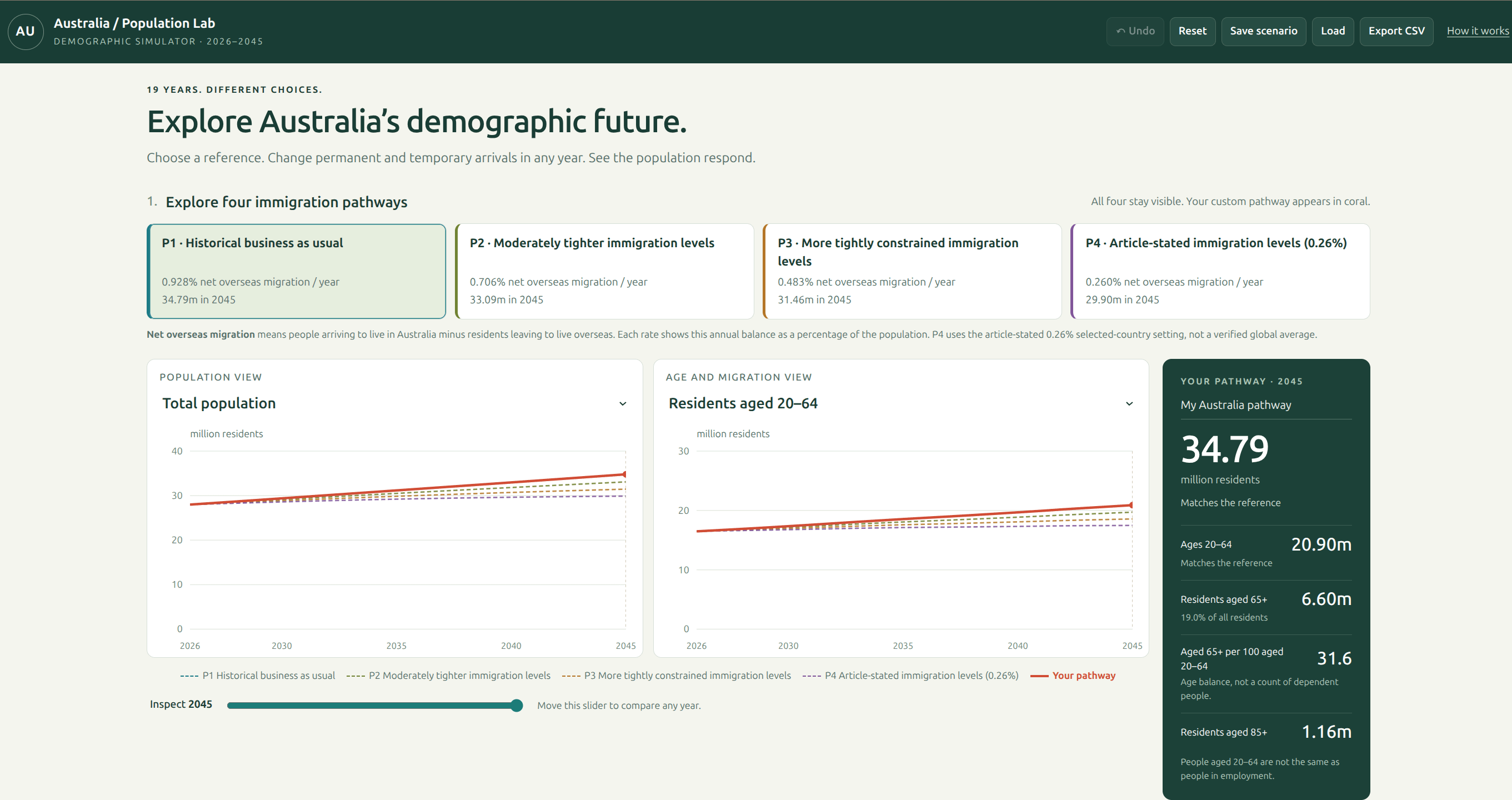
This demographic simulator was developed by Codex this morning. I asked Codex to make some minor changes to the simulator and then got Claude to review it for accuracy.
Where do the skills to do this analysis in one day fit? Anyone can be a citizen scientist now.
I will get Codex to use my automated publishing system and push it to my GitHub site where I will review it, before making it live. This whole process from signing off on the final version of the simulation to going live takes me ten minutes of my time. Is this a skill that will be tracked going forward?
Conclusion
I think this approach to defining skills is completely flawed. It makes human exclusivity the organising principle when the capability we need to understand is human and AI together. The test I would put to Jobs and Skills Australia is straightforward: show how this system recognises someone whose thirty years of experience can now produce outcomes that were previously beyond their reach.
If you are already doing work with AI that you could not do before, what would a skills assessment need to capture to recognise that change?