

In my previous article I explained how the Australian Population Explorer was built and how I could use it as a ‘pattern’ for building more explorers of this type. The first use of the pattern produced a new Commonwealth budget explorer which I got Codex (with Claude checking) to develop in one day.
The history tab demonstrates the problem:
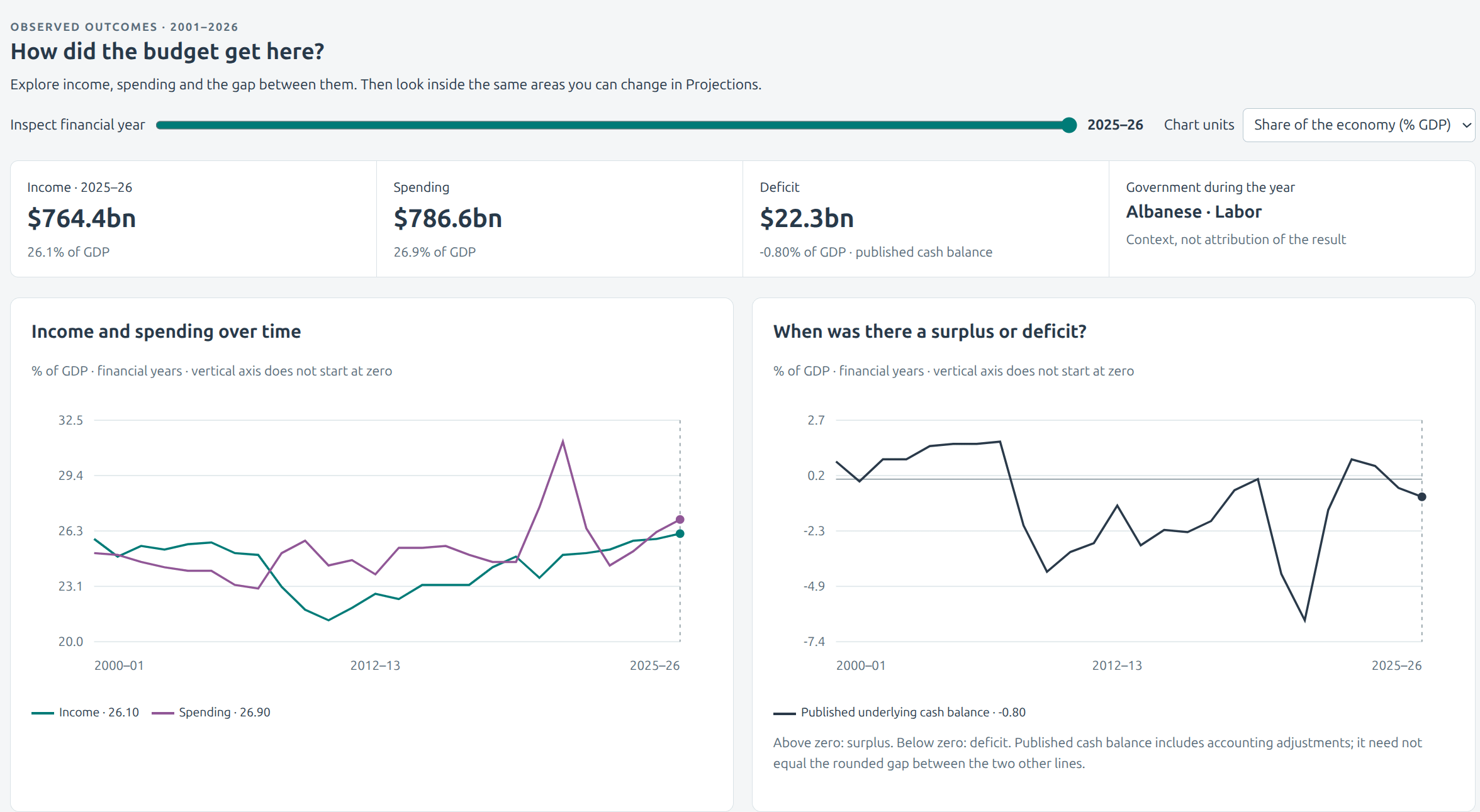
It is clear that the years when then has been a surplus since the mining boom of the early 2000s have been rare occurrences. The future projections path is far more concerning - the baseline in the Government’s 2026 Intergenerational Report remains in deficit through 2050–51 and beyond. While I don’t take any projections out past 2035 seriously the second chart shows just how difficult it could be to achieve a balanced budget over time.
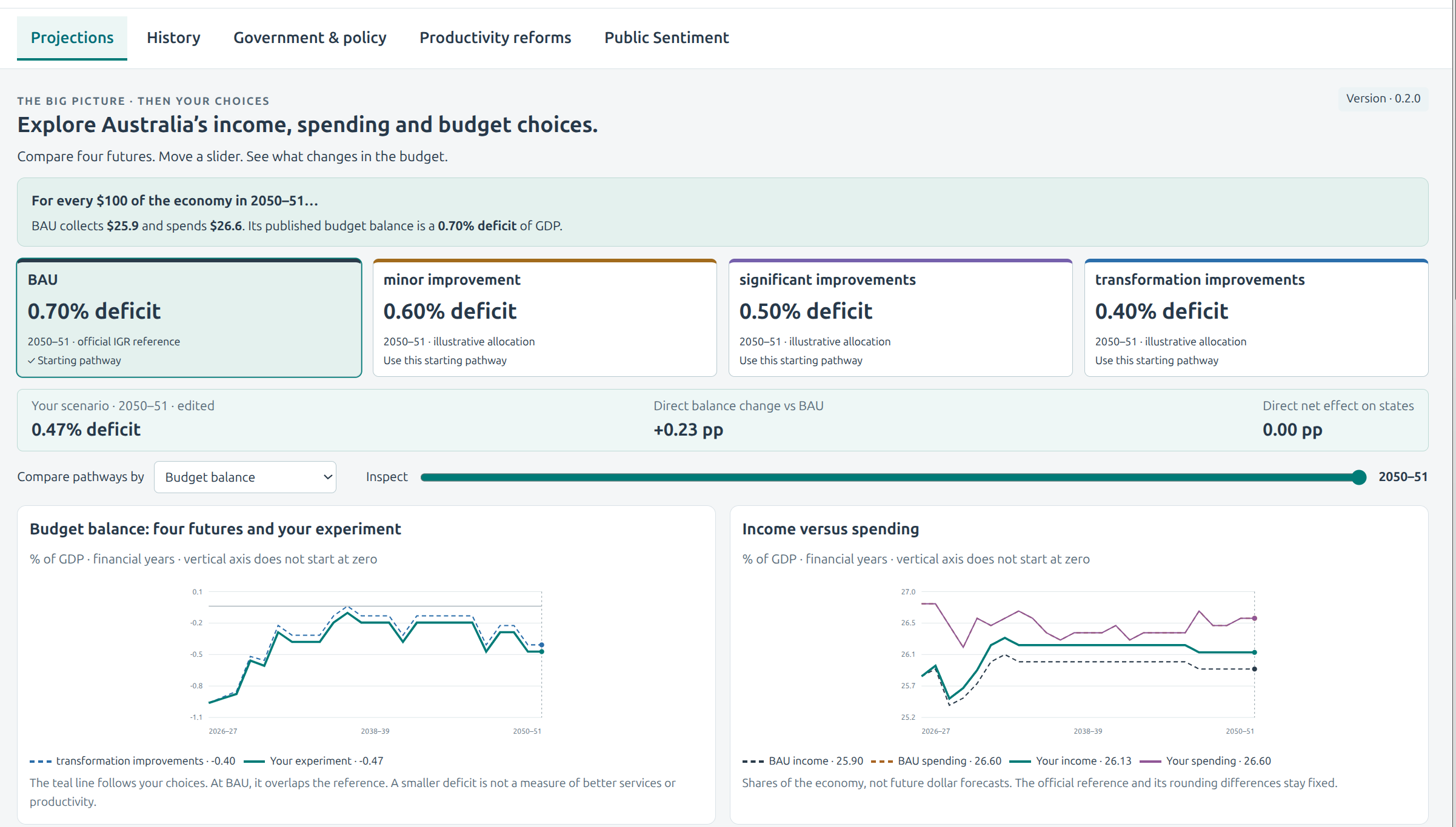
The most important issue with this explorer is that it is based on long-term assumptions which cannot fully capture major disruptions or the combined effects of multiple crises. The 2026 Intergenerational Report considers some of these pressures, including ageing, climate change, AI and geopolitical fragmentation. However, the explorer does not fully simulate how these forces could interact. These include the impacts of climate change, population ageing and slower growth, loss of social cohesion, impact of AI on jobs, the breakdown of global trade and the need to build resilience into our system. Add these factors, which are already impacting democracies around the world, into the mix and Business as Usual (BAU) politics and budgets will become increasingly inadequate. One likely consequence is a further rise in support for ‘strong-person’ solutions in democratic countries around the world.
Face Reality - budget deficits are here to stay
The first step in understanding any problem is to face reality - the Budget Explorer shows just how difficult the future could be looking for Australia under its baseline assumptions. Many other developed economies face similar pressures. Continued deficits are a serious risk if we follow our Business as Usual path. Debt servicing costs could increase if borrowing costs remain elevated, while ageing populations will place growing pressure on health and aged care spending. However, these outcomes are not inevitable. Productivity, taxation and spending decisions can change the result.
Ian Verrender writing for the ABC News said it best in his article ‘The dark forces driving discontent across the developed world’:
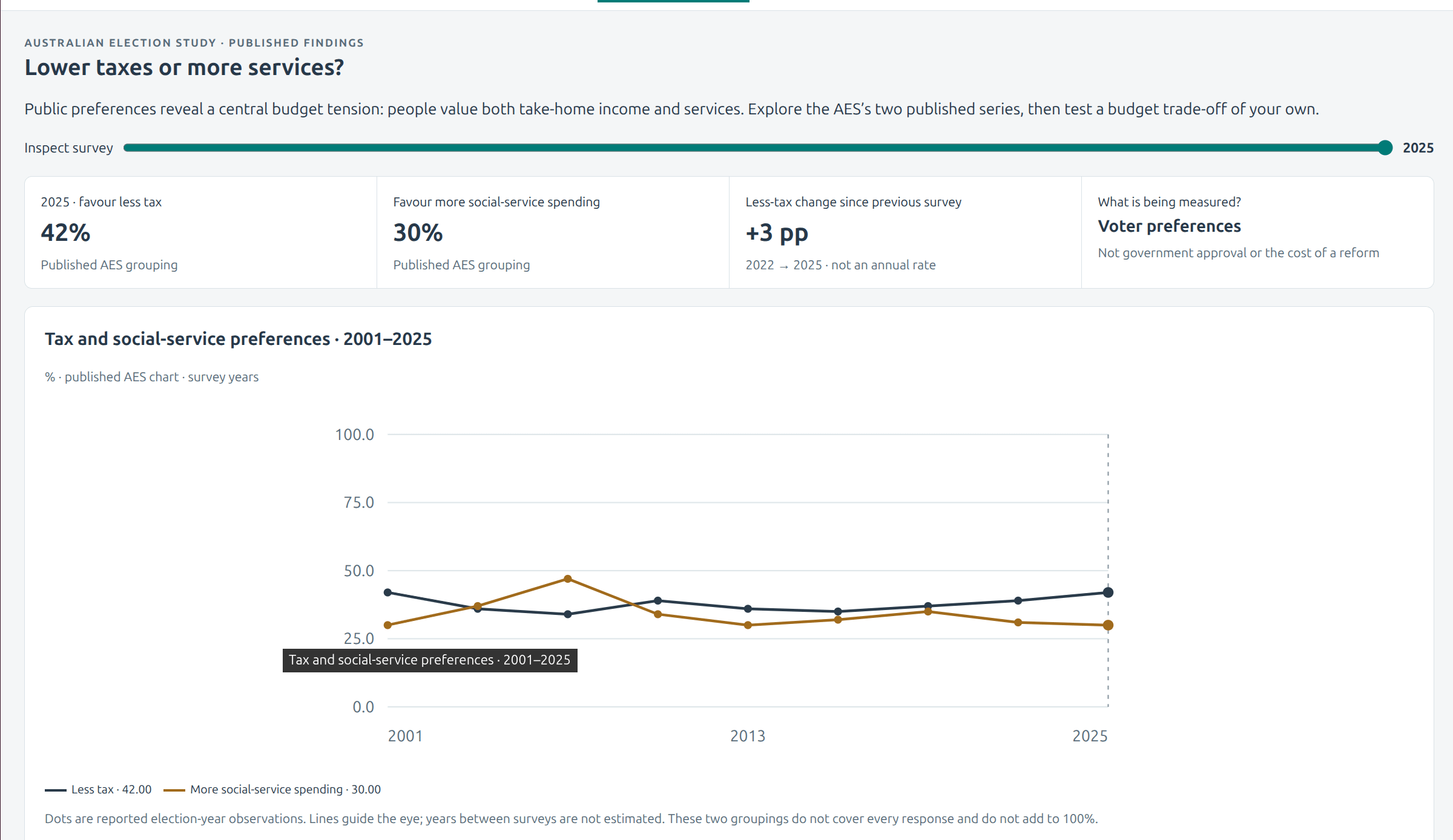
“There are two levers you can pull here. One is raising taxes, which no-one will ever support. And the other is cutting spending, which no-one will ever support.”
The budge explorer seems to back him up as this screenshot from the Public Sentiment tab seems to show. More people favour tax cuts than increases in social service spending and according to Ian’s article these two groups effectively cancel each other out - and BAU is the result.
Is there a way out of the BAU trap?
The answer using Australian Government projects out to 2050-51 is no. Even with ‘transformation improvements’ the difference is the deficit reduces from 0.70% to 0.40%

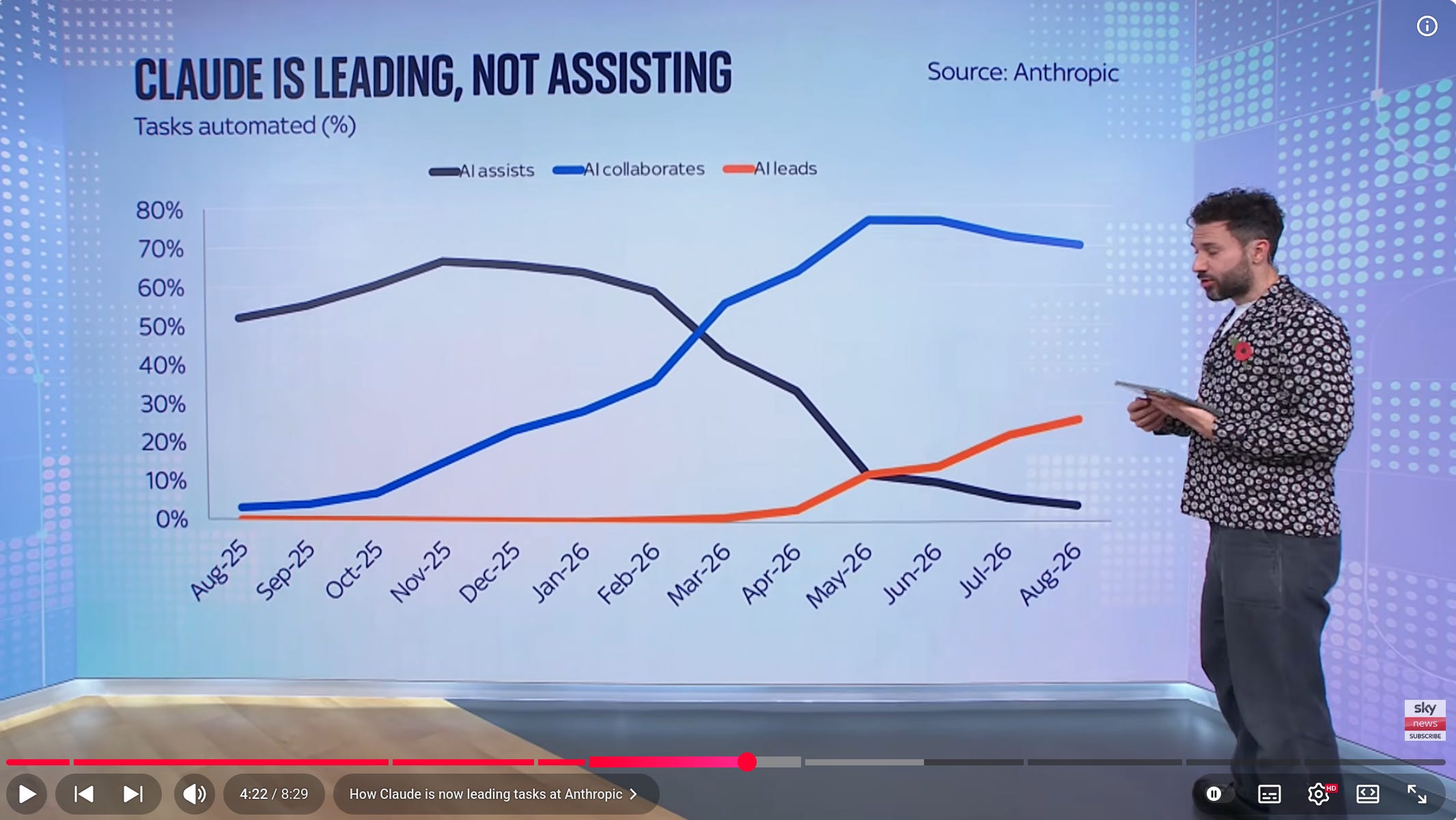
The only option is to take up the opportunity presented by AI. Recursive self-improvement where the AI model ‘grows’ the next model is accelerating - the capability of these models is accelerating.
Assuming that the capability of AI continues to grow rapidly what could be done to change the BAU future of countries like Australia? I created another simple simulation to explore four pathways to transforming Australia’s productivity:
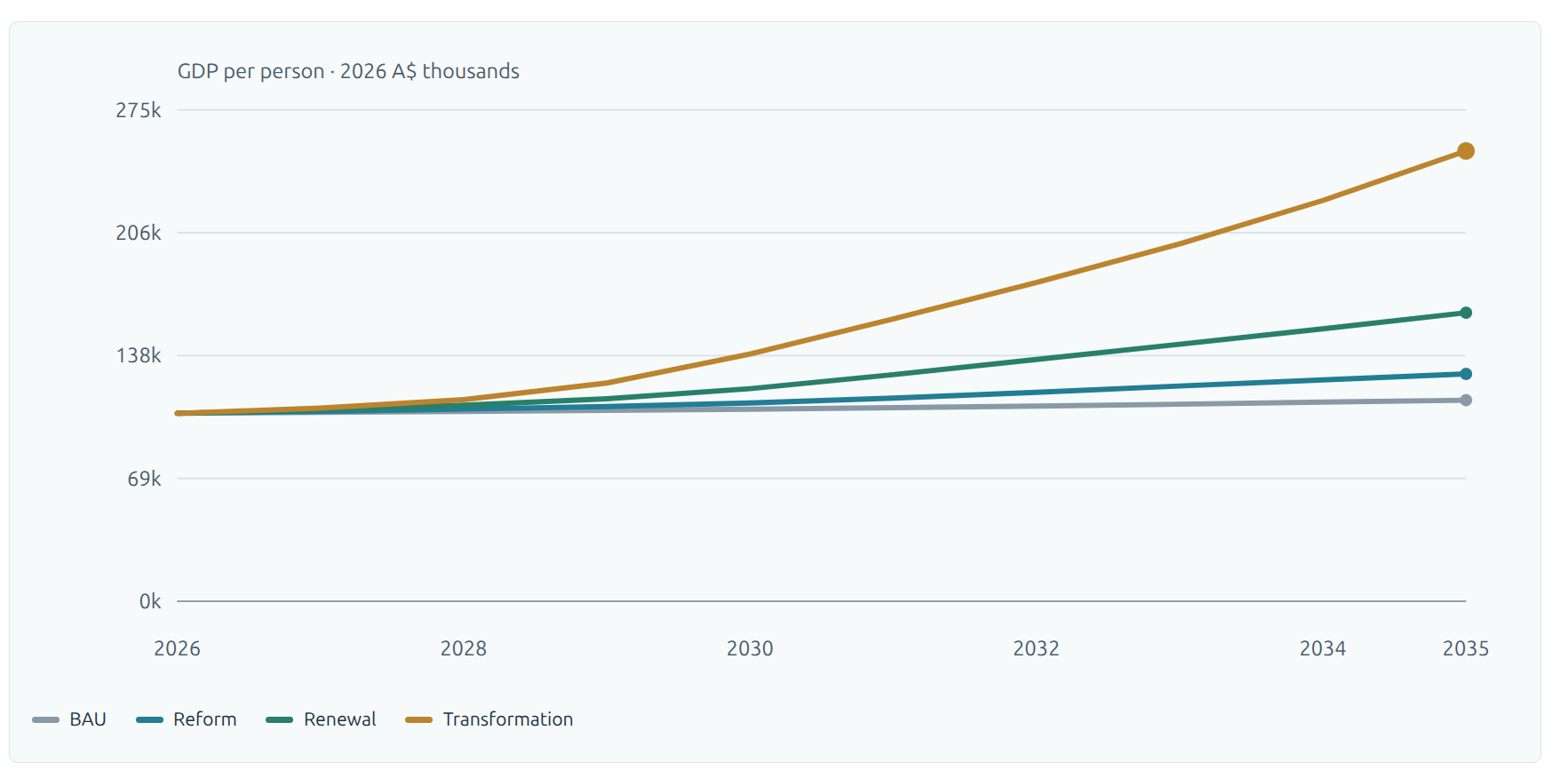
Even the ‘Reform’ pathway (Better skills, business dynamism, targeted capital investment and faster adoption of existing technology. Still recognisable as a conventional productivity-reform programme) offers a way out of the on-going budget deficit trap we are on. What about a four day week and AI productivity improvement? Could people enjoy shorter working hours without sacrificing their standard of living?
While I do not think the most optimistic pathway could possibly happen in a country like Australia which is set in its BAU ways, crises can trigger transformations and AI offers the opportunity for people to actively get involved in setting their priorities for the future.
Next Steps
I have been ‘learning by doing’ to try and understand the capabilities of AI models like Codex and Claude to build useful simulations and start to provide people with the ability to do ‘what if’ thinking. My approach has been very ad hoc as I start to understand what can be done with my input limited to the product manager role. I do spend time refining the product intent for each simulation but I am not spending a lot of time reviewing and updating the actual simulations themselves.
This approach is changing. I am currently working with both Codex and Claude to define a product family approach to developing a series of election explorers that will be initially configured for Australian government elections but developed as open source products which can be configured to provide simulations of major parties policies which will allow anyone to experiment with the effects of these policies and use an AI model to ask specific questions about each party’s policies.
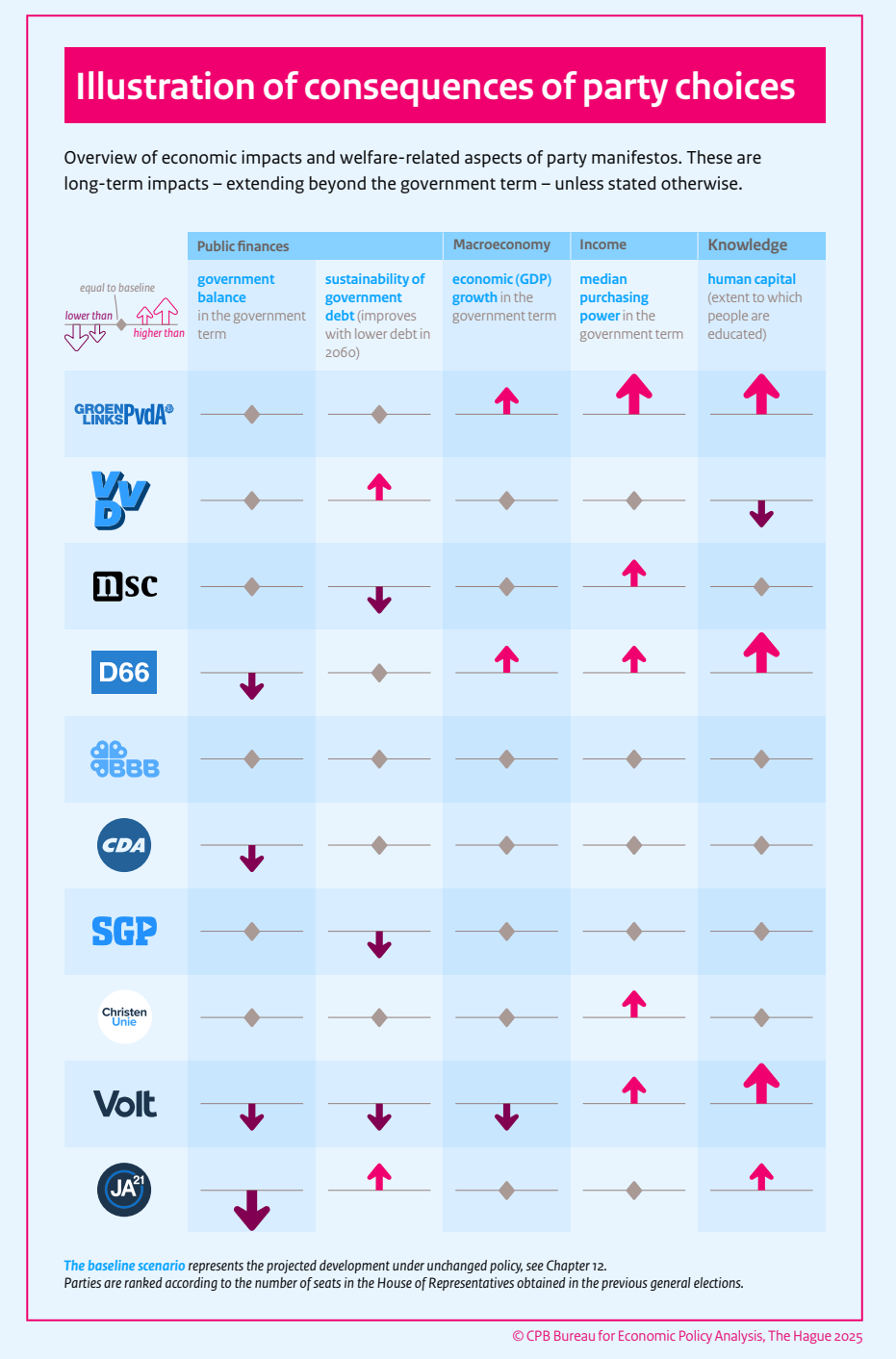
My goal is to develop a demo version of an interactive tool that provides the same type of analysis as that provided for citizens in the Netherlands but as a dynamic simulation. Stay tuned to see how this journey progresses.